As with most plants used in the Chinese garden, pines are a hugely important symbol in Chinese culture, and have been grown for thousands of years. Originally associated with religion and funerary practices thousands of years BCE, they have long been essential plants in the Chinese garden.
Pine, bamboo and plum (Prunus mume) make up the Three Friends of Winter. Pine symbolises strength and endurance. Many Chinese sayings relate to this- for example, Confucius said that only in winter do we see that the pine and cypress are evergreen, meaning that only in adversity do we see a person’s true strength. Growing in isolated places and clinging to life on inhospitable rocky cliffs, they represent longevity, resilience, and the noble hermit of Chinese literary tradition.

There are a number of ancient pine trees in China, often planted beside temples. Possibly the most famous is the Guest Greeting Pine on the sacred mountain of Huangshan. A specimen of Pinus hwangshanensis believed to be between 800 and 1000 years old, it has become a symbol of China and Chinese hospitality, and is so precious that it is guarded 24 hours a day, carefully protected from adverse weather, lightning, disease, animal damage, and over-enthusiastic tourists. It was represented in firework form in the opening ceremony of the Beijing Olympics, and is currently being digitised in a 5 year long 3D modelling project.

Like bamboo, pines are valued for the sound of the wind blowing through them. In ancient times, this was known as songtao, which translates roughly as pine waves or pine surf. The wind in the pines is a recurring motif in both Chinese poetry and landscape painting, and the music of the traditional instrument, the qin, has been likened to the sound of pines and vice versa.

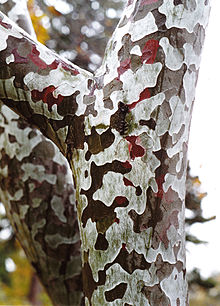
Pines planted in the Chinese garden, like almost all the plants used, are local species intended to evoke the natural landscape of China. Pinus bungeana, the lacebark pine, is often used for its attractive scaly bark. Pinus tabuliformis, the Chinese red pine, is the most commonly used, along with Pinus massoniana and Pinus armandii, the Chinese white pine. Gnarled and misshapen specimens are particularly prized, suggesting trees growing on windswept mountains, or bringing to mind dragons with their scaly bark and twisted limbs.
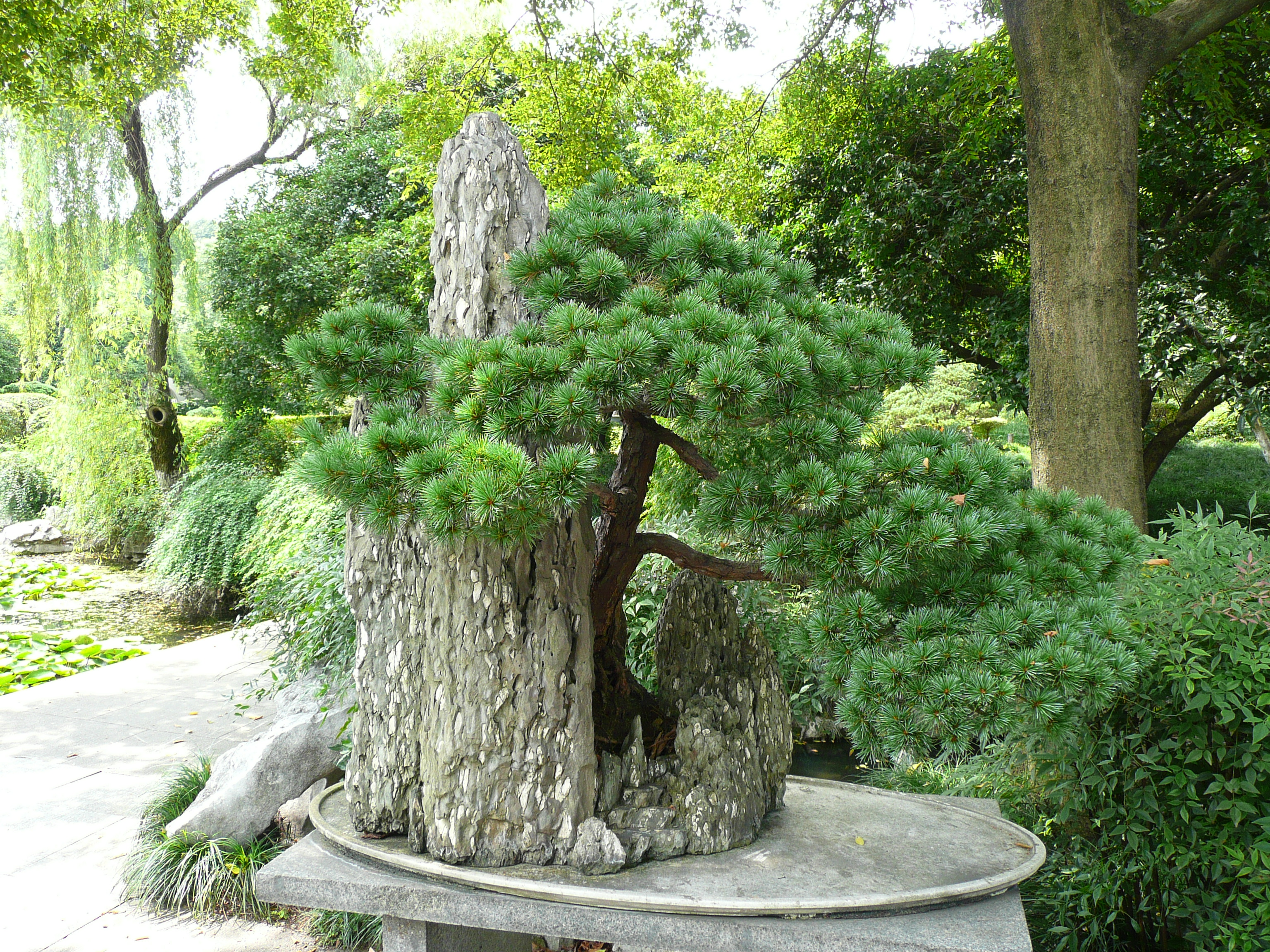
Pines are also very popular subjects for penjing, the miniature landscapes that were the ancestors of bonsai.
 Japonica Plants Nursery
One thought on “Pines in the Chinese Garden”